
Iloilo City, officially known as the City of Iloilo (Hiligaynon: Dakbanwa sang Iloilo), stands as a premier hub of the Western Visayas region in the Philippines. Located along the southeastern coast of Panay Island, across the strait from the island province of Guimaras, this highly urbanized metropolis operates as a politically independent entity from the surrounding province of Iloilo. Renowned for its unique blend of beautifully preserved Spanish and American colonial heritage alongside modern corporate infrastructure, the city functions as the regional center for trade, commerce, industry, healthcare, tourism, and education.
Region: Western Visayas (Region VI)
Classification: Highly Urbanized City (1st Income Class)
Established: Founded in 1566 by Spanish administration; Royal Cityhood Status in 1889
Land Area: 78.34 square kilometers (30.25 sq mi)
Demonym: Ilonggo / Ilongga
Native Language: Hiligaynon
Major Honors: UNESCO Creative City of Gastronomy; ‘La Muy Leal y Noble Ciudad’
The name ‘Iloilo’ traces its origins to the archaic Hiligaynon term Irong-irong (later documented in Philippine Spanish as Ilong-ilong), which translates literally to ‘nose-like.’ This described the physical topography of the promontory between the Iloilo and Batiano rivers, where the early settlements and Fort San Pedro were constructed. According to Panay oral traditions recorded in books like Pedro Alcantara Monteclaro’s Maragtas (1907), the area was initially settled under Datu Paiburong, one of the ten legendary Bornean datus who traded with the indigenous Ati population.
The arrival of Spanish forces led by Miguel López de Legazpi in 1566 firmly embedded Iloilo into global colonial history. The Spaniards initially set up fortifications in Oton and Arevalo, moving the primary economic center closer to the mouth of the river (the current City Proper) to establish a protected, deep-water port.
By the late 19th century, Iloilo’s port opened to international trade, sparking a massive economic boom driven by the export of agricultural sugar from Panay and neighboring Negros Island. Recognizing its immense wealth and unwavering allegiance to the crown during turbulent periods, Queen Regent Maria Cristina of Spain issued a royal decree on October 5, 1889, granting Iloilo official cityhood and bestowing the title “La Muy Leal y Noble Ciudad” (The Most Loyal and Noble City). Remarkably, in late 1898, after the fall of Manila during the Spanish-American War, Iloilo briefly served as the last capital of the Spanish Empire in Asia and the Pacific.
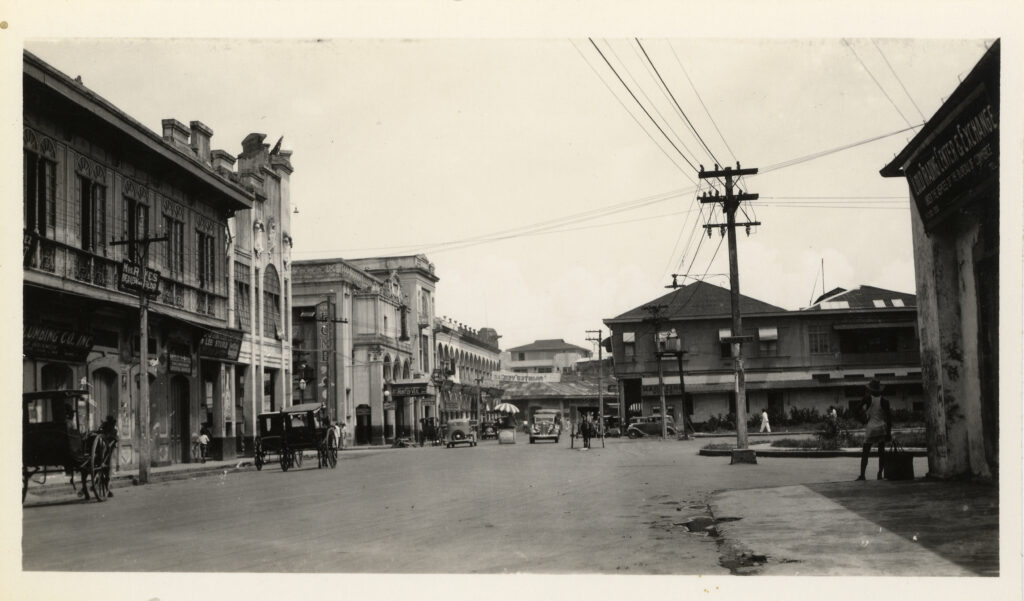
Modern Iloilo City is a unique urban amalgamation composed of seven distinct geographical and administrative districts. Each was originally an independent town with its own town square (plaza), parish church, and cultural distinctiveness.
District | Historical Profile & Identity | Key Landmarks |
City Proper | The commercial downtown heart, established as the Spanish port center. Famous for historic architecture. | Calle Real, Plaza Libertad, Fort San Pedro |
Jaro | The religious and aristocratic capital of the region. Known for its grand old mansions and deep colonial elite roots. | Jaro Cathedral & Belfry, Graciano López Jaena Park |
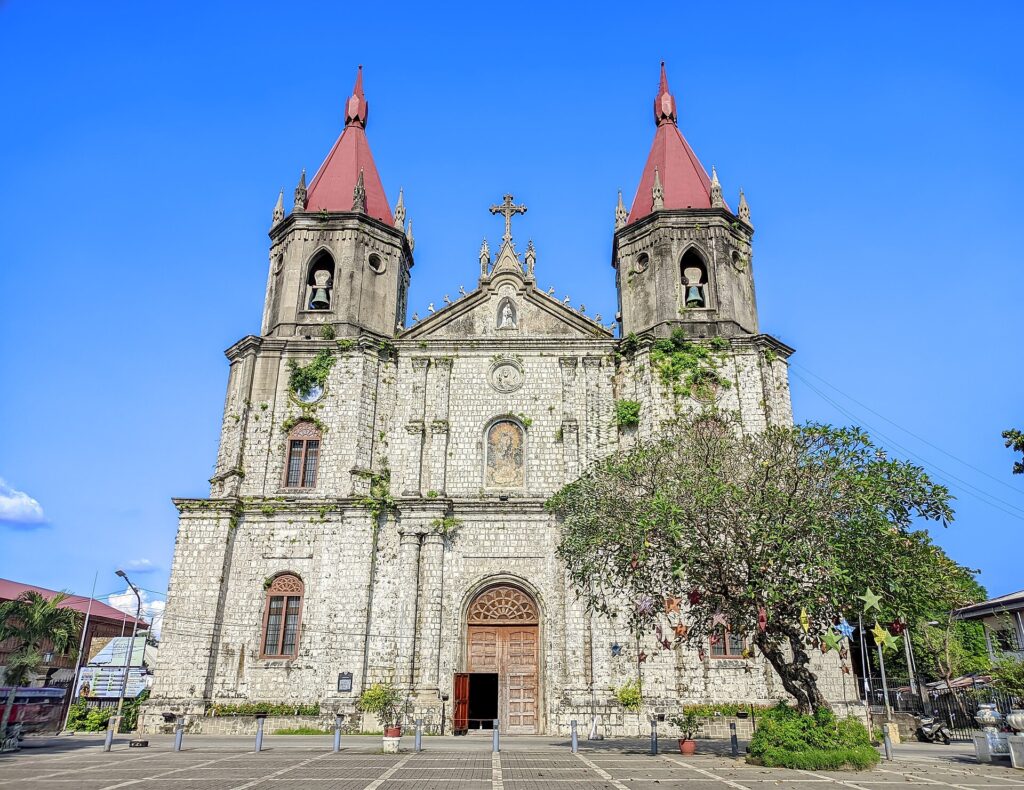
Molo | The historic ‘Chinese Quarter.’ It evolved into a major educational and intellectual enclave during the Spanish period. | Molo Church (St. Anne), Molo Mansion |
Mandurriao | The modern economic epicenter. Site of the decommissioned old airport, now transformed into corporate zones. | Iloilo Business Park, Iloilo River Esplanade |
La Paz | Historically a working-class residential and transport hub, best known globally for creating famous local delicacies. | La Paz Public Market, La Paz Church |
Arevalo | The historical ‘Villa de Arevalo,’ famed for its flower farms, weaving traditions, and seafood strips. | Sinamay House, Camiña Balay nga Bato |
Lapuz | The newest district (carved out of La Paz), functioning as the primary maritime logistics center. | Iloilo International Port Complex, Fast-craft terminals |
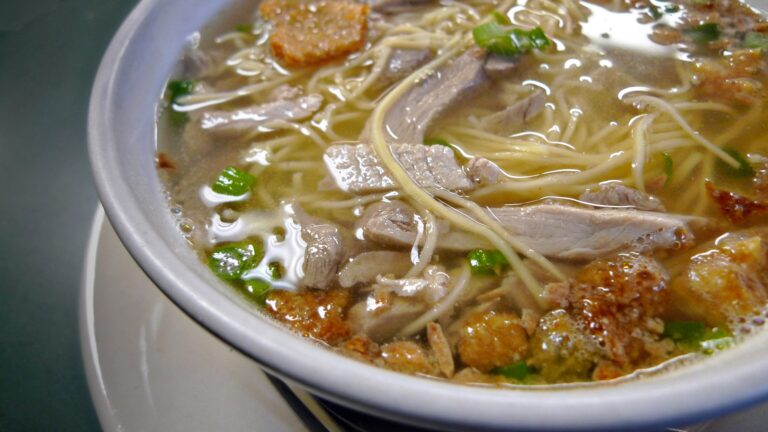
Food is an inseparable element of the Ilonggo identity. The city’s historic culinary mastery culminated in its official designation as a UNESCO Creative City of Gastronomy—making it the first city in the Philippines to achieve this distinction. The local food landscape emphasizes fresh, native ingredients, slow-cooked broths, and traditions passed down through generations.
Some of the city’s iconic culinary staple contributions include:
In recent decades, Iloilo City has frequently been cited by urban planners as a prime model of sustainable and livable urban development within the Philippines. The city successfully executed a macro-scale modernization plan centered around the redevelopment of the old Mandurriao Airport into a master-planned commercial business district, spearheaded by major property developers.
A crown jewel of the city’s green infrastructure is the Iloilo River Esplanade. Designed by renowned architect Felino Palafox Jr., this multi-kilometer linear park transformed the once-polluted Iloilo River banks into a public, pedestrian-only promenade and bike lane system, fostering environmental restoration and community recreation.
The city’s power grid is aggressively pivoting toward long-term sustainability. Under distribution frameworks managed by MORE Electric and Power Corporation, the city is integrating eco-friendly power generation, supported by regional initiatives such as the newly initiated solar infrastructure in nearby Anilao to ensure a clean energy mix. Public services remain resilient, backed by strategic municipal programs like “Oplan Kontra Baha” to clean major drainage and river systems systematically across districts like La Paz and Jaro.
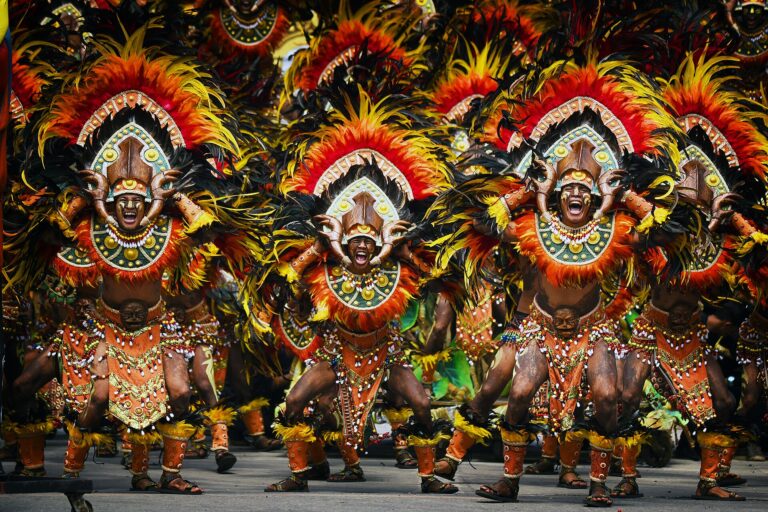
Iloilo City celebrates its spiritual and cultural vibrancy through various major annual gatherings. The most internationally renowned is the Dinagyang Festival, held every fourth Sunday of January. Organized to honor the Señor Santo Niño (the Holy Child) and celebrate the historic peace treaties between local tribes, the festival converts the downtown city streets into an explosion of color, rhythmic drumbeats, and highly synchronized choreographies executed by cultural tribes.
Furthermore, Jaro functions as a major pilgrim hub, drawing thousands of Catholic faithful every February 2 for the feast of Nuestra Señora de la Candelaria (Our Lady of the Candles). The image, housed on the balcony facade of the Jaro Cathedral, holds the distinction of being the first and only Marian image in Asia to be canonically crowned in person by a Pope (Saint John Paul II in 1981).
Reaching Iloilo City is seamless via air, sea, and land infrastructure. The city is served primarily by the Iloilo International Airport (IATA: ILO) located in nearby Cabatuan, offering regular domestic flights to Manila, Cebu, Davao, and other major island hubs.
The city’s seaport architecture connects Panay heavily with neighboring provinces. High-speed ferries run hourly across the Iloilo Strait to Guimaras Island, while large passenger vessels link the port directly to Bacolod City (Negros) and overnight ships service routes to Manila and Cebu. For inner-city transit, travelers can experience the iconic local aesthetic of open-air jeepneys or enjoy the sprawling, modern network of dedicated bicycle lanes that earn Iloilo City its modern title as the “Bicycle Capital of the Philippines.”
This article compilation pulls from verified municipal reports and open historical registries: